Why Men Should Grow Long Hair: Reclaiming a Lost Symbol of Strength and Power
Why Men Should Grow Long Hair: Reclaiming a Lost Symbol of Strength and Power
Written By Jayson Lobos | aka AvocadoJay23
March 20, 2025
(Bonus: The Story of Samson – When Long Hair Was Strength Itself, at very end)
Introduction: Long Hair Isn’t Just for Women, It’s the Original Look of Powerful Men
Throughout history, long hair was a symbol of strength, freedom, and masculine power. Yet in today’s world, men with long hair are often viewed as rebellious, unprofessional, or unconventional. But where did this shift come from? And why should men consider reclaiming the tradition of growing their hair long, at least to their shoulders?
This article dives deep into the ancient roots of long hair among men, the surprising role the Roman Empire played in erasing it, and why now is the perfect time to reclaim our natural and powerful appearance.
The Ancient Origins of Long Hair in Men
1. Prehistoric & Tribal Cultures: Hair as a Sign of Vitality
Before modern grooming standards existed, long hair was the natural norm. In early human societies, hair length reflected overall health, nutrition, and vitality. Warrior cultures across the globe proudly wore their hair long:
• Native American tribes viewed long hair as sacred, a physical extension of one’s spirit.
• Vikings, Celts, and Germanic tribes wore their hair long into battle—believing it channeled divine strength.
• Samurai warriors of Japan kept their hair long and tied, representing discipline and honor.
Long hair wasn’t just aesthetic—it was functional, spiritual, and powerful.
2. Ancient Greece: Warriors, Philosophers, and the Divine
In ancient Greece, long hair was associated with:
• Philosophers and intellectuals like Socrates and Pythagoras.
• Gods and demigods—Zeus, Apollo, and Heracles were all depicted with flowing locks.
• Spartan warriors, who combed and styled their long hair before battle as a sign of readiness and pride.
Greek men saw long hair as a blend of masculine beauty, strength, and divine favor.
(2.A) Ancient Greece: Warriors, Philosophers, and the Divine
Long hair in ancient Greece wasn’t just tolerated—it was celebrated. It represented a man’s status, intellect, and connection to the gods. In fact, the length and grooming of a man’s hair often reflected his place in society and his internal development.
• Young boys in Athens grew their hair until adolescence, when a ceremonial haircut marked their passage into manhood.
• Philosophers like Socrates and Plato were often depicted with longer hair and beards—seen as symbols of wisdom, maturity, and spiritual depth.
• Olympic athletes and warriors braided their long hair to demonstrate physical prowess, strength, and devotion to the gods.
In Sparta, one of the most formidable warrior states in Greek history, men wore their hair long and loose in youth, but combed and tied before battle—a ritual of pride and preparation. As Plutarch wrote, “Long hair makes the handsome more comely and the ugly more terrible.” To Spartans, hair was part of their identity—it commanded respect and projected fear.
Greek deities and demigods were almost exclusively depicted with long, flowing locks:
• Zeus, king of the gods, was carved in statues with wavy, regal hair.
• Apollo, god of music, prophecy, and masculinity, was portrayed as eternally youthful with long golden tresses.
• Heracles (Hercules), the strongest of all demigods, was shown with a lion’s mane of hair, emphasizing power and primal masculinity.To be long-haired in Greece was to be the dithe intelligent, and the brave.
Even funeral art and grave stelae often showed noble men with their hair preserved in intricate styles, suggesting that their hair was seen as part of their eternal identity.
3. The Roman Empire: Where Short Hair Became Law
Here’s where the shift began.
When Rome rose to power, Emperor Augustus and Julius Caesar standardized short hair for soldiers—a tactical decision to prevent enemies from grabbing hair during combat. Over time, short hair became a political and cultural symbol of Roman civilization.
Short hair wasn’t a natural evolutionimposed by a militaristic empire seeking control and conformity.
This Roman standard spread across Europe, erasing centuries of spiritual and cultural reverence for long hair.
(3.A) The Roman Empire: Where Short Hair Became Law
While the Greeks celebrated long hair, the Romans—especially the military elite—viewed it as impractical, unruly, and even barbaric. This was not a matter of aesthetics—it was about control, conformity, and empire-building.
The Military Enforcement of Short Hair
As the Roman Republic transitioned into empire, its expansionist wars demanded discipline and uniformity. Julius Caesar and Augustus sought to present Rome as civilized and superior to its “wild” enemies, many of whom (like the Gauls and Germans) wore their hair long.
• Roman soldiers were required to cut their hair and beards short to avoid being grabbed in close combat.
• Short hair was also linked to cleanliness and obedience, qualities demanded by the growing empire.
• As soldiers returned from conquest, their style became the norm for the general population—military grooming became Roman fashion.
A Political and Psychological Tool
But short hair was more than just practical—it became a political tool of cultural dominance. When Rome conquered new lands, it imposed its values on the people, often forcing local rulers and nobility to adopt Roman grooming standards to be accepted. cut one’s hair short was to submit to Ro it long was to resist.
This ideology spread across Europe and the Mediterranean. In many conquered cultures, long hair—once revered—was now shamed as uncivilized, just like the people who wore it. Rome equated short hair with power and superiority, and anything outside of that mold was targeted for erasure.
The Long-Term Impact
This Roman legacy has lasted centuries. Even today, the idea that “short hair is professional” or “long hair is messy” stems directly from this imperial propaganda. We’ve inherited a worldview that associates short hair with order, cleanliness, and dominance—and long hair with wildness, rebellion, and weakness.
But history tells a different story.Before Rome, long hair was sacred. After Rome, it was censored.
It’s time to recognize that our current norms are not natural—they’re historical artifacts of conquest and colonization. Reclaiming long hair as men is not rebellion—it’s restoration.
The Return and Suppression of Long Hair in Europe
Medieval & Renaissance Eras: Hair Makes a Comeback
In the centuries after Rome’s fall, long hair made a powerful return:
• Knights, kings, and nobles wore their hair long as a sign of divine rule and nobility.
• Artists and poets of the Renaissance celebrated flowing hair as a sign of creativity and status.
But as industrialization began, this freedom was again suppressed.
Victorian Era & Modern Society: The Rise of Clean-Cut Control
The 18th and 19th centuries introduced short, conservative haircuts driven by:
• Hygiene concerns in crowded cities
• Military standards and factory work culture
• Social conformity under Victorian ideals of “manliness”
By the 1900s, the short-haired, clean-shaven man was now the mainstream, and long-haired men were often labeled as rebels or eccentrics.
The 1960s & Beyond: Long Hair Reborn in Rebellion
With the rise of the hippie and counterculture movement, long hair returned as a symbol of resistance:
• Against war, against conformity, against the system.
• Icons like Jim Morrison, Jimi Hendrix, and Bob Marley wore their hair long to express freedom and raw masculine energy.
Still, the stigma remained. Even today, men with long hair face workplace discrimination or are told to “cut it to look professional.”
Why Men Should Grow Their Hair Long Today
1. It’s Natural and Healthy
Long hair is a biological normality for men. Forcing men to keep it short is like shaving off personality and power.
2. It’s a Symbol of Strength, Not Rebellion
From Samson’s biblical strength to samurai wisdom, long hair reflects discipline, confidence, and a deep connection to self.
3. It Honors Cultural and Ancestral Roots
Many Indigenous, African, Asian, and Pagan cultures still view long hair as sacred. Embracing it is a form of spiritual return.
4. It’s Masculine and Majestic
Contrary to modern bias, long hair amplifies masculinity—it frames the face, emphasizes strength, and exudes presence. Long hair doesn’t make a man soft—it makes him stand tall like a warrior.
Counter the Conformity: Break the Roman Curse
If you’re a man who wants to break out of the box, growing your hair is one of the most bold and primal acts of self-liberation.
You’re not unkempt. You’re unchained.
How to Start Growing Your Hair Out
• Stop shaving your sides every 2 weeks—give it time.
• Use natural oils (like argan or jojoba) to nourish your scalp.
• Get regular trims only to shape the ends, not shorten.
• Be patient—it can take 12–24 months to reach shoulder length.
Your hair is a reflection of your freedom, health, and identity. Let it flow.
Footnotes & Highlights
Highlights
• Long hair was the standard for men across nearly every ancient and tribal culture.
• The Roman Empire normalized short hair to control military and societal order.
• Modern grooming expectations are based on industrialization and conformity—not nature or tradition.
• Long hair enhances masculinity, spiritual alignment, and ancestral identity.
• Growing long hair is a form of liberation and self-honor.
Footnotes
1. Roman military standards under Caesar Augustus introduced regular haircuts and shaving as a military tactic and mark of civilization.
2. Spartan warriors believed that long hair was the “richest ornament of a free man” and styled it before battle (Plutarch, “Life of Lycurgus”).
3. Native American tribes such as the Lakota and Hopi believed hair was an extension of one’s thoughts and spiritual energy.
4. Biblical reference: Samson’s strength was tied to his uncut hair (Judges 16:17).
5. The resurgence of long hair in the 1960s was tied to anti-war sentiment and rejection of institutional control.
Conclusion: Let the Hair Flow, Let the Soul Speak
In a world obsessed with conformity and appearance, growing your hair long as a man is a radical act of authenticity. It’s not just about looks—it’s about reclaiming your body, honoring your roots, and standing boldly in your power.
Grow your hair. Reclaim your strength. Break the mold.
🔥 Slogans (Impactful Phrases):
• “Long Hair. Strong Roots.”
• “Before Conquest, There Was Flow.”
• “Grow Your Crown. Reclaim Your Power.”
• “Your Hair Is Not a Rebellion—It’s a Return.”
• “Cut from Control. Grown from Freedom.”
• “Warriors Had Long Hair. So Should You.”
• “Break the Roman Curse. Let It Flow.”
• “Unchained. Untamed. Uncut.”
• “Masculinity Grows Wild, Not Cropped.”
• “Your Hair Is a Weapon. Don’t Surrender It.”
• “Grow What History Tried to Silence.”
• “Hair Is History. Make Yours Sacred.”
• #LongHairForMen • #ReclaimTheCrown
• #MasculineFlow
• #WarriorHair • #UncutUnchained
• #GrowYourPower • #SacredMasculinity
• #BreakTheRomanCurse
• #HairIsHistory • #CulturalRestoration
• #MensGrooming • #MasculineEnergy
• #NaturalManhood • #SpiritualHair
• #LongHairJourney • #MaleEmpowerment
• #ModernWarriorLook • #IntactTradition
• #GrowYourHairOut • #HairFreedom
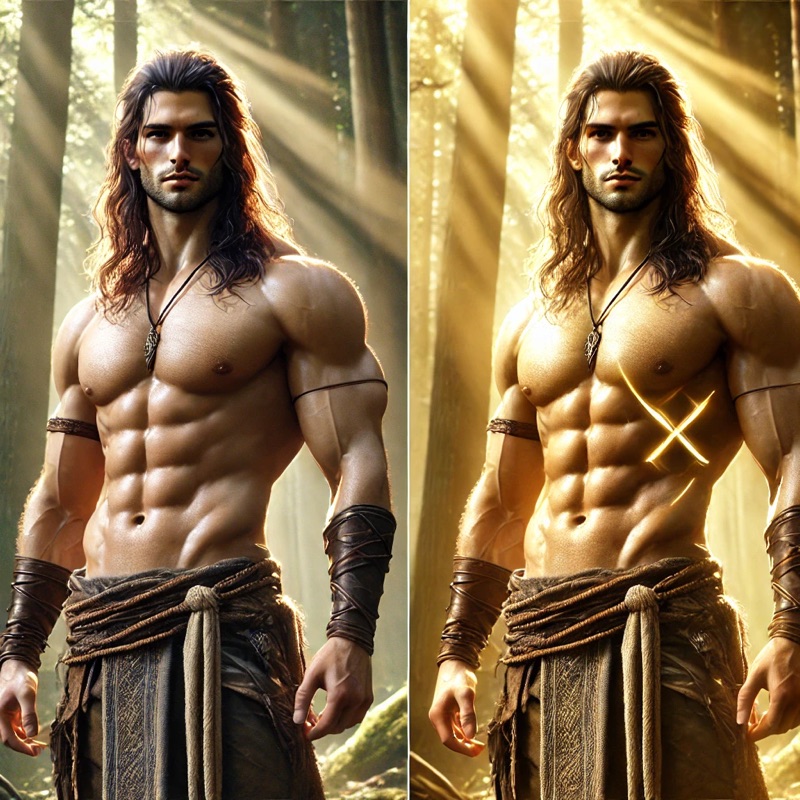
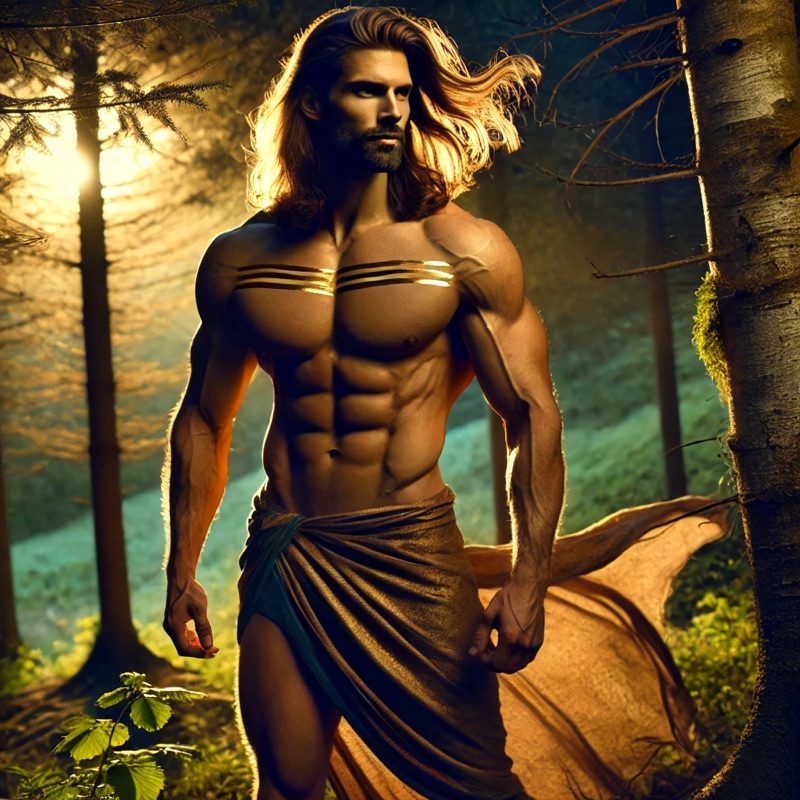
“Before they conquered our lands, they cut our hair.
Before they controlled our minds, they shamed our crowns.
Long hair isn’t rebellion—it’s remembrance.”
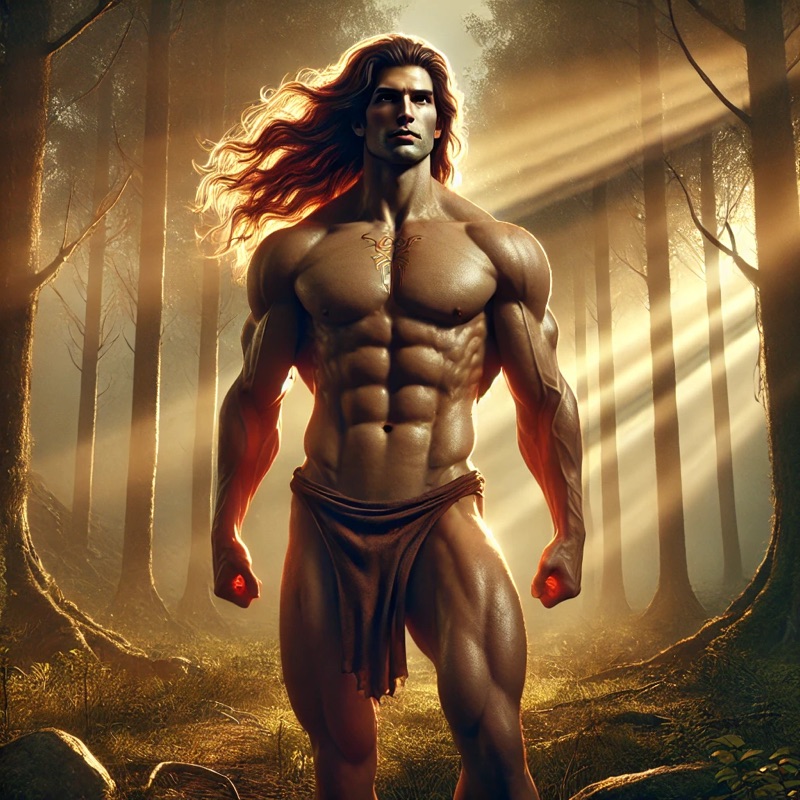 “
“
They told us short hair meant strength.
But the ancients knew better.
Long hair is a symbol of freedom, power, and sacred masculinity.
Reclaim your roots. Grow your crown.
—
Read the full blog: http://aestheticblueprint23.blogspot.com/2025/03/why-men-should-grow-long-hair.html
#UncutUnchained #GrowYourCrown #MasculineFlow #LongHairForMen #HairIsHistory
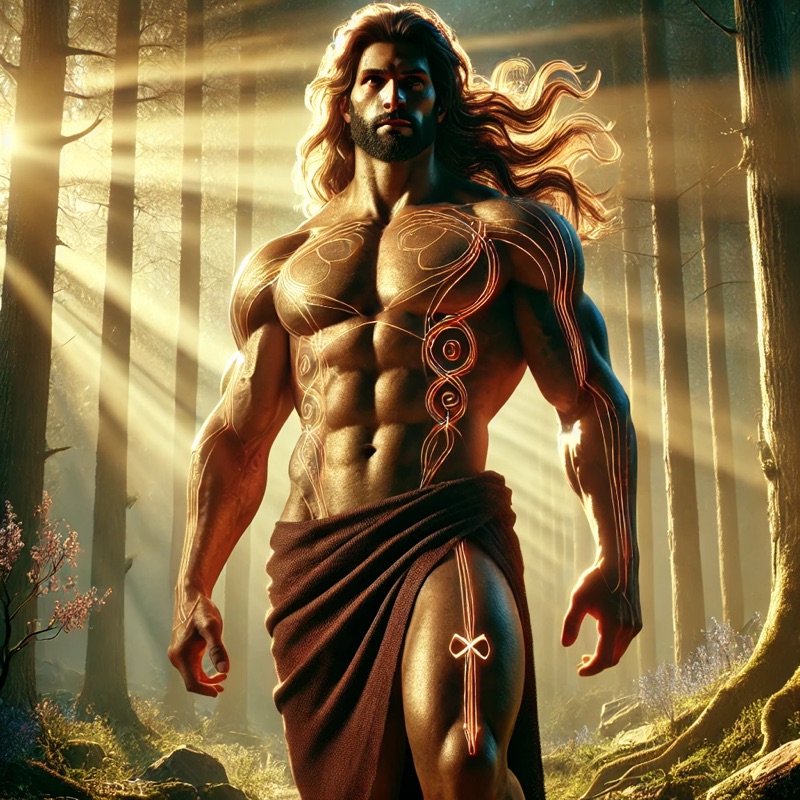
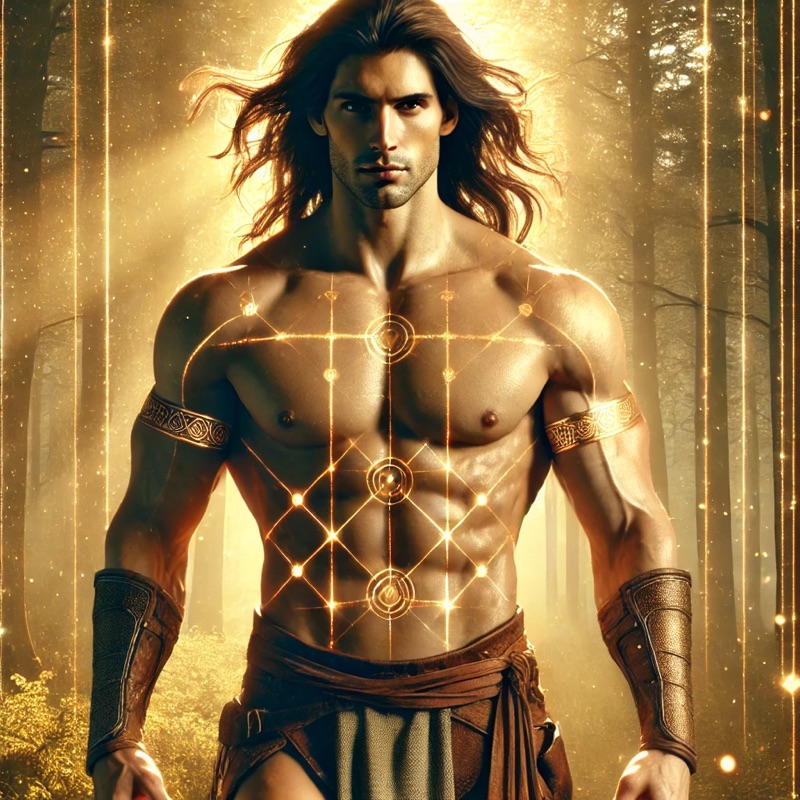
Bonus: The Story of Samson – When Long Hair Was Strength Itself
One of the most famous examples of long hair as a source of power comes from the Bible’s Book of Judges—the story of Samson.
Samson: The Warrior Whose Hair Was His Power
Samson was a Nazirite, a man dedicated to God, and part of his vow was never cutting his hair. In return, he was granted supernatural strength, making him an unstoppable warrior against the Philistines.
With his long, uncut hair, Samson:
• Killed a lion with his bare hands.
• Defeated an entire army single-handedly.
• Became the strongest man in biblical history.
His strength was directly tied to his hair, reinforcing the ancient belief that long hair was not just an aesthetic choice—it was a connection to divine power.
The Betrayal and the Fall
Samson’s enemies, the Philistines, feared him, knowing that as long as his hair remained, he was invincible. So they sent Delilah, a woman he trusted, to discover the secret of his strength.
After deceiving him into revealing that his long hair was the key to his power, Delilah had his hair cut while he slept. The moment his hair was gone:
• His strength vanished.
• He was captured, blinded, and enslaved.
• His enemies celebrated, believing they had destroyed him.
Samson’s story mirrors what many ancient cultures believed—long hair was more than just hair. It was a sacred force, a physical manifestation of power, freedom, and divine favor.
The Redemption: Power Restored with Hair Growth
Despite being imprisoned, Samson’s hair began to grow back—and with it, his strength slowly returned. In a final act of defiance, he brought down an entire temple of his enemies, reclaiming his power through his restored hair.
This biblical tale proves what history has shown time and time again:is strength. Long, control, or betrayal.
In many ways, modern society has tried to “cut” men’s strength by enforcing short hair as the norm. But just like Samson, we can reclaim what was taken—and grow back the power that was lost.
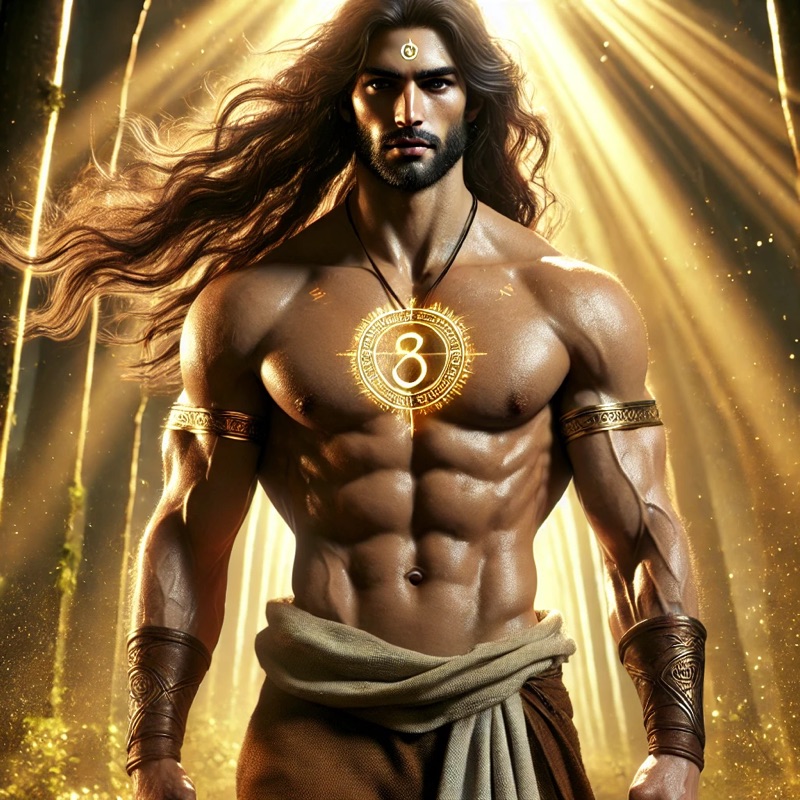
Important Message from the Author
Before You Go… Watch This
Further Reading & Eye-Opening Truth
———————————————-
📢 Want to Know the Truth?
👉 Watch Now: The Truth About Circumcision
Eric Clopper’s explosive, eye-opening presentation exposes the hidden truths about circumcision, its impact on men’s health, and the medical industry’s role in promoting it. If you care about bodily autonomy and human rights, this is a must-watch.
🎥 Sex & Circumcision: An American Love Story – Eric Clopper
🔗 https://youtu.be/FCuy163srRc?si=-I0uSf9MEV06bvY9
📖🔗 My intactivist blog by 🥑J23
http://avocadojay23.blogspot.com/
🎥 Watch & Learn: Educating on Male Anatomy, Foreskin, & Awareness
My YouTube channel playlist is dedicated to educating and raising awareness about male anatomy, the foreskin’s natural functions, and the importance of bodily autonomy. Whether you’re an intactivist or simply looking to learn more, my videos provide valuable insights on this critical topic.
🎥 Watch here:
🔗 https://youtube.com/@avocadojay23?si=bYd9DH03dbW1F9ho
📌 Subscribe to stay informed and help spread awareness!


Comments
Post a Comment